


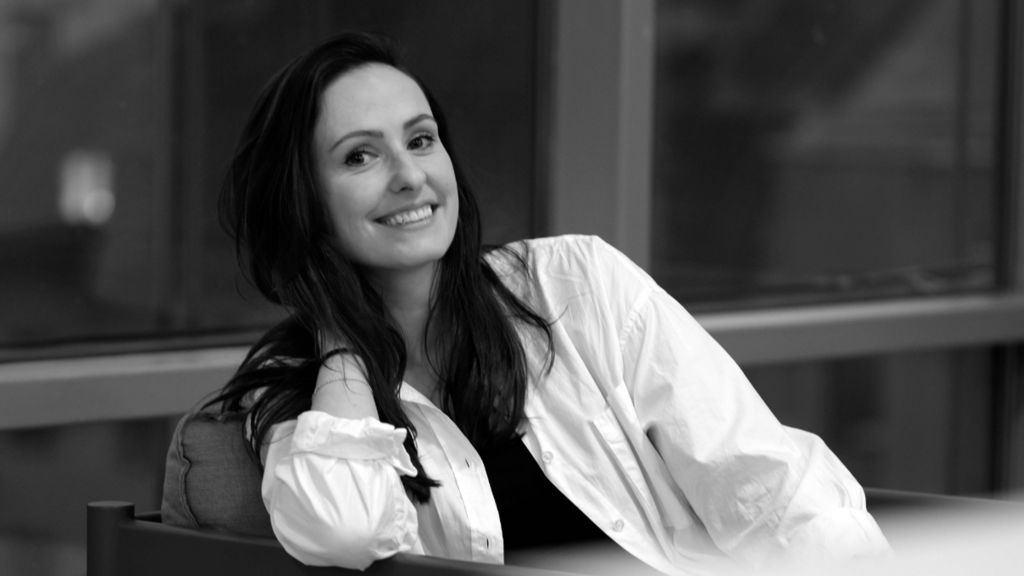
Interview with Tatjana Dubovina Jokić, Creative Director at IW Agency
New Pentawards Jury member and Creative Director of IW Agency talks to us about stand-out Scandinavian design, her journey into the industry and what keeps her inspired.
New Pentawards Jury member and Creative Director of IW Agency talks to us about stand-out Scandinavian design, her journey into the industry and what keeps her inspired
Tell us a bit about yourself, your agency and your journey into design
I grew up between different cultures, which shaped a lot of who I am and how I think today. I was born in former Yugoslavia and fled the war in 1992 to a small town in Sweden. Moving between those two completely different worlds in attitudes, aesthetics and expression has definitely influenced how I see identity and belonging.
My interest in design began early through my best friend’s mother, who taught graphic design at a college. Being around her work sparked my curiosity and eventually led me to study design in high school, and later at University of the Arts London. During my studies, I worked at Information is Beautiful, focusing on data visualisation. That experience introduced me to systems thinking, how complexity can be structured into something clear, intuitive and emotionally engaging. It became the foundation for how I approach brand systems today.
Three and a half years ago, I joined IW Agency, a Swedish agency with more than 30 years of experience in brand-driven, consumer-focused design, shaping some of Sweden’s most beloved brands.
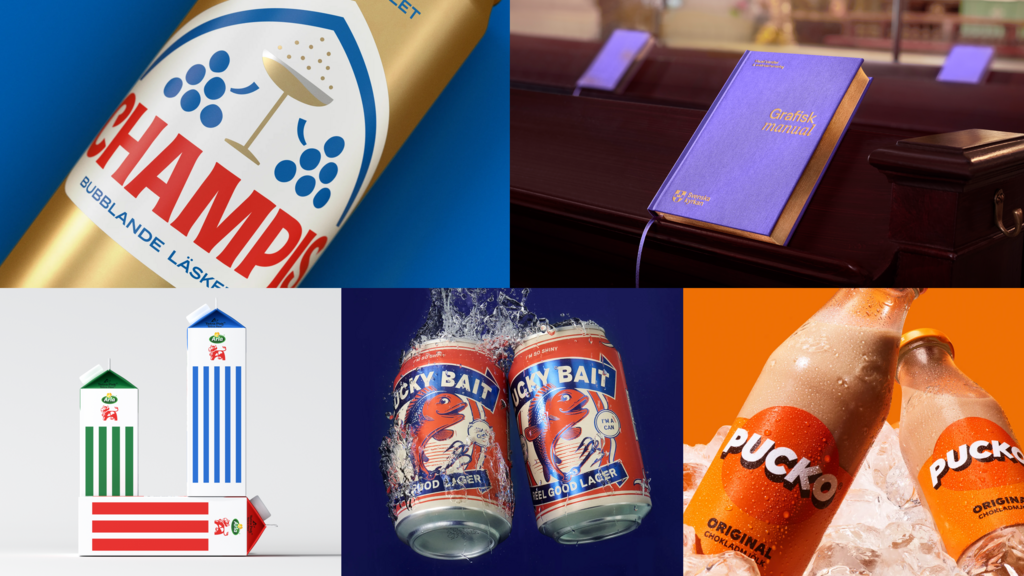
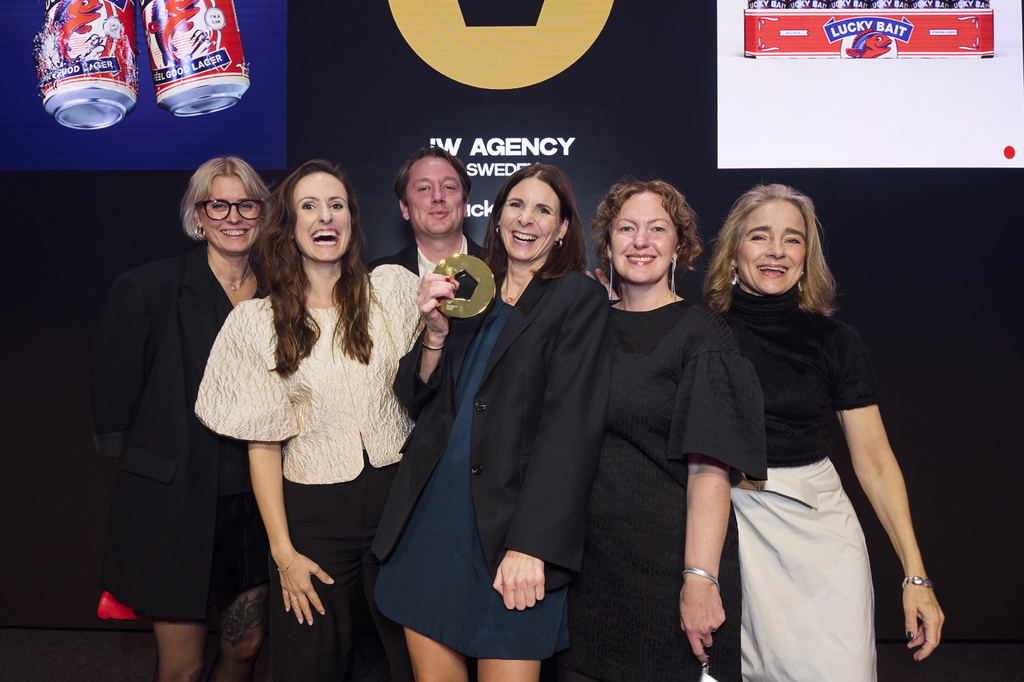
IW Agency's awarded work from Pentawards 2025
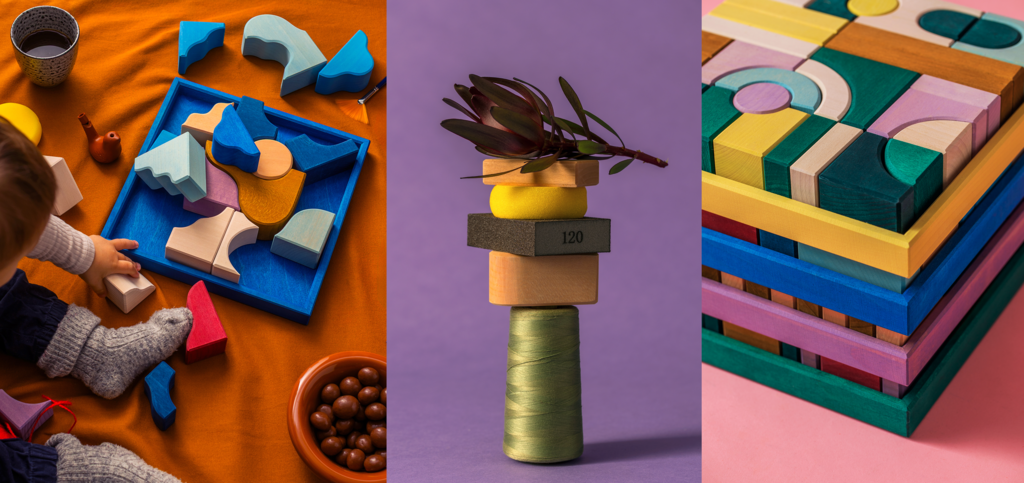
Alongside my work at IW Agency, I create open-ended playful pieces designed to spark imagination together with GRIMM’S, a way of staying close to physical craft.
What areas of design do you focus on, and what part of your role do you enjoy the most?
As Creative Director, my role is to translate positioning, insights and cultural context into something emotionally resonant and visually distinctive.
I genuinely enjoy all parts of the process, the relationships built with clients and colleagues, and the craft of design itself. Strong relationships create trust, and trust allows us to move beyond the brief to find the best solutions. That’s usually where the interesting work happens.
What’s the most rewarding piece of work you’ve worked on so far?
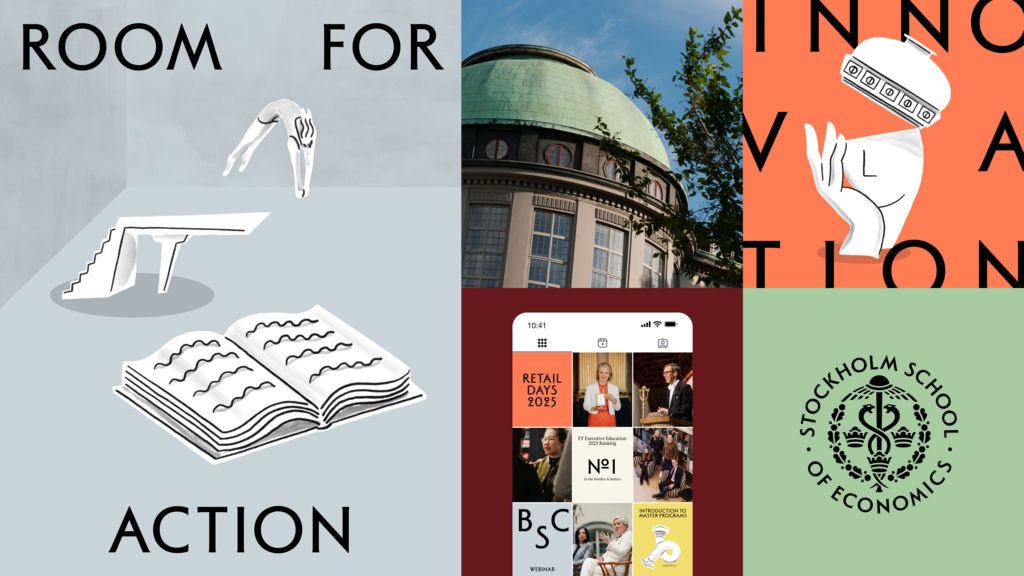
I guess that would be my last project, our work for the Stockholm School of Economics.
The challenge was to translate a very specific atmosphere into an identity. When you walk through the school’s oak doors, you feel the weight of its heritage. The architectural influence of Swedish Grace, the craftsmanship, the integration of contemporary art into the educational mission. Yet that richness wasn’t reflected in the brand.
We immersed ourselves in the school’s history and combined it with its expressive artistic culture. The brand system balances structure and elegance with confidence and modernity. Custom typography, illustrated objects and material textures all rooted in the Swedish design heritage, but interpreted for a global context.
What makes it truly stand out is that the identity became an extension of the physical experience.
As your agency is based in Sweden, are there any key trends you’re seeing in Scandinavia?
It feels like we’re seeing many trends at once, most of them global ones. But after Burberry’s redesign and the broader reaction against “blanding,” there’s been a visible return to heritage and distinctive brand assets.
Though I think this shift goes deeper than just a trend. When differentiation becomes difficult, brands start digging into their own history to find something truly unique. In a way, it’s about rediscovering character rather than chasing trends. You don’t have to look far to find an example, our work for Stockholm School of Economics reflects just that.
Are there any Scandinavian designs that stand out to you?
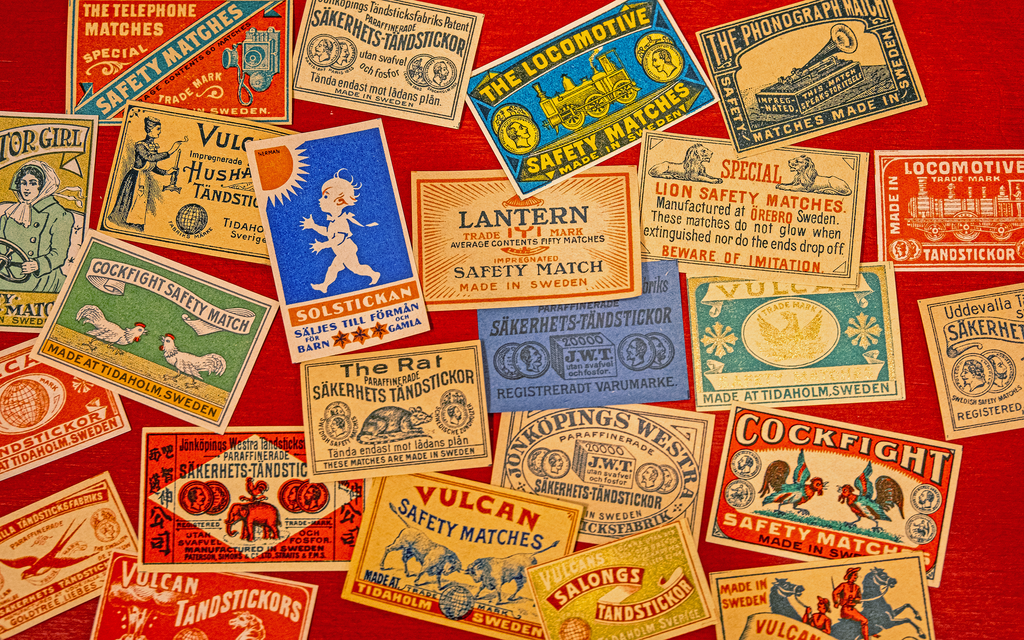
As I mentioned, I grew up in a small Swedish town, it’s built around a historic match factory. As children, we would visit the match museum and collect old matchbox labels.
They were like miniature posters with proud typography, detailed illustrations, strong compositions and limited colour palettes printed on textured paper stock.
Despite their small format, they carried enormous personality and storytelling power. For me, they’re proof that even the smallest surface can carry craft and identity.
What would you say to brands or agencies thinking of entering the 2026 competition?
Be part of pushing the industry forward. Inspire dialogue. Celebrate craft together. It’s a way to contribute to the future of packaging design (and also to attend a fun gala).
What advice would you give to young designers?
The industry needs new perspectives, curiosity and courage. Develop a point of view and don’t be afraid to question established norms.
When you think about the power of design, what does it mean to you personally?
There’s often this tension between strategy and aesthetics, almost as if talking about beauty makes the work less serious. But design isn’t design if it doesn’t solve a problem, and it won’t solve a problem if it isn’t strategically grounded.
At the same time, strategy alone is invisible if it doesn’t translate into something people can feel.
So when I talk about the power of design, I do mean beauty. I mean something that feels intentional, coherent and emotionally right. You just feel it.
How do you see the packaging design industry evolving in the next 20 years?
I think packaging will increasingly become an extension of self-expression. We already see this shift. Packaging is no longer only functional. In beauty, tactile details invite sensory interaction. In spirits and luxury goods, packaging is designed for display and long-term appreciation. Even everyday categories are being elevated into expressive objects.
Younger generations are moving toward individuality and personal expression, and packaging will play a central role in that shift, communicating identity, values and authenticity.
See more of IW Agency's work here. And connect with Tatjana on LinkedIn.