


Where technology meets creativity: The rise of sublimation in packaging
ATIU explores how sublimation is giving brands new ways to tell stories through packaging
ATIU explores how sublimation is giving brands new ways to tell stories through packaging
Why is sublimation becoming such an exciting decoration technology for premium packaging?
We are living through a unique moment where digital culture is redefining consumer expectations. AI, CGI, gaming and social media have accustomed younger generations to extraordinary visual experiences that traditional packaging technologies simply weren't designed to recreate.
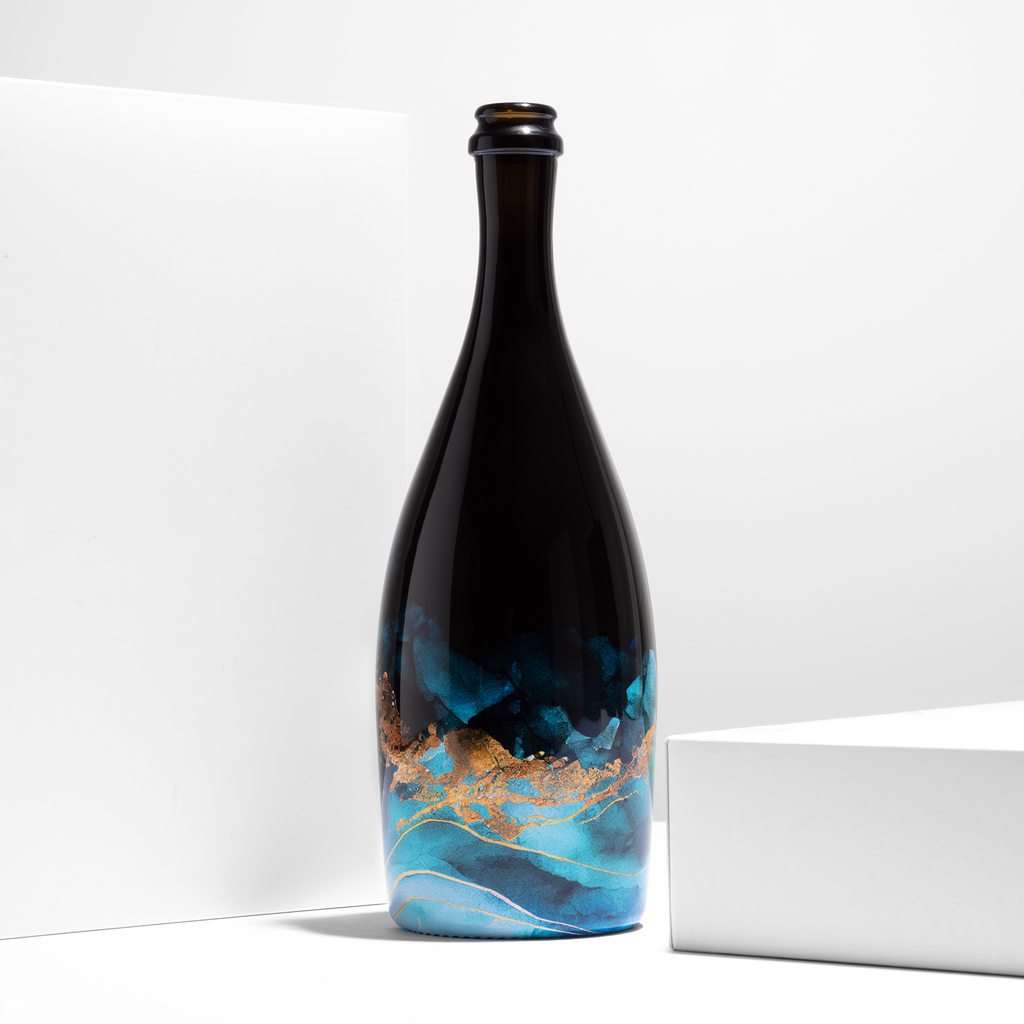
Sublimation changes that. It gives creative teams the freedom to transfer a digital aesthetic onto a real glass bottle with a level of colour depth, detail and creative complexity that conventional decoration methods struggle to achieve.
What makes this particularly exciting today is that sublimation is no longer an artisanal or niche process. At ATIU, we have completely re-engineered the technology for industrial production, developing proprietary equipment capable of decorating up to 4,000 bottles per hour while maintaining the premium quality the luxury market expects.
High-performance coatings, 360° decoration and resolutions up to 1200 dpi allow brands to combine creative freedom with true industrial scalability—something that simply wasn't possible a few years ago.
What creative possibilities does sublimation unlock that weren't previously achievable?
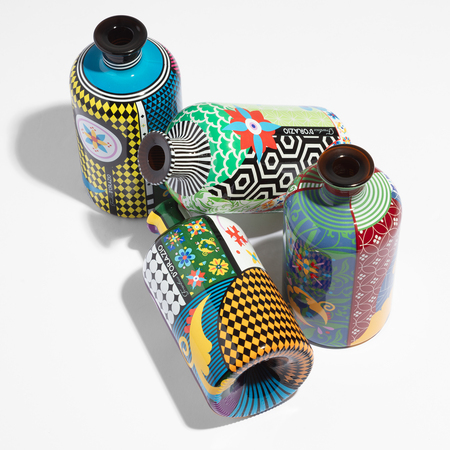
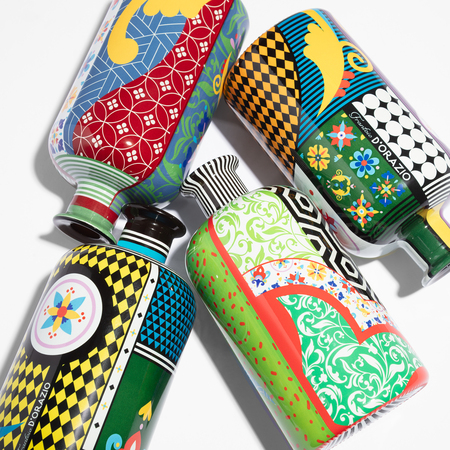
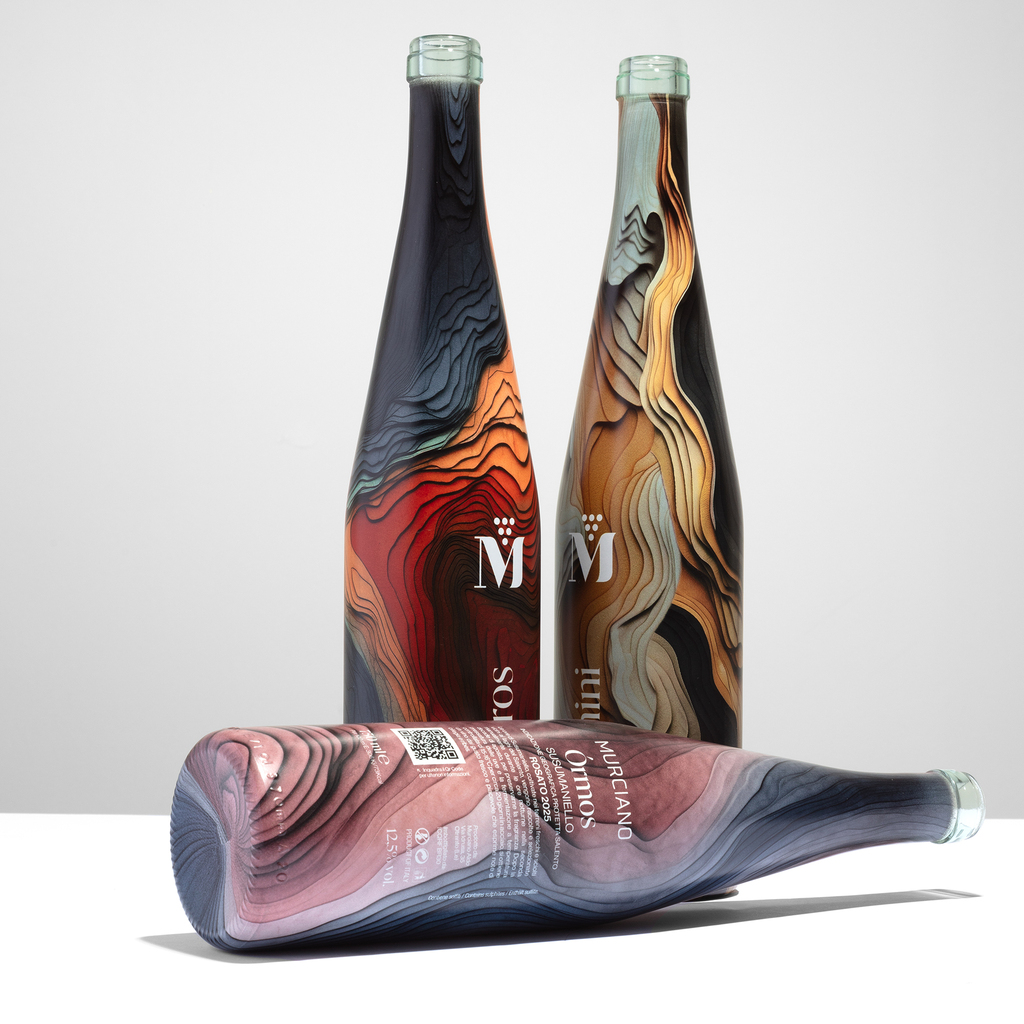
The biggest shift is that creativity is no longer constrained by the manufacturing process. Traditional decoration technologies often require designers to simplify ideas, reduce colours or separate artwork into different production steps. Sublimation removes many of those compromises. It allows continuous 360° graphics, text, QR codes, photographic imagery, digital artworks, textures, gradients and extremely complex illustrations to become part of the glass itself. Perhaps even more importantly, it allows designers to think about the bottle as an immersive object rather than a decorated container. The entire surface becomes available to tell a story, creating packaging that could never have been achieved through labels or conventional printing techniques.
How has the technology evolved, and what misconceptions still exist?
When we entered this market, sublimation had a poor reputation. It was associated with high reject rates, limited production capacity, dull or burnt colours, excessive material consumption and costs inflated by long distribution chains.
The real innovation hasn't been a single technological breakthrough, but the complete optimisation of the entire ecosystem. We chose to vertically integrate every critical step—from raw materials and consumables to colour management, printing and application technology. At the same time, our engineering team developed proprietary machinery designed specifically for industrial glass decoration, improving colour vibrancy, minimising waste, making the artwork junction almost invisible and allowing even highly complex bottle geometries to be decorated consistently at speed.
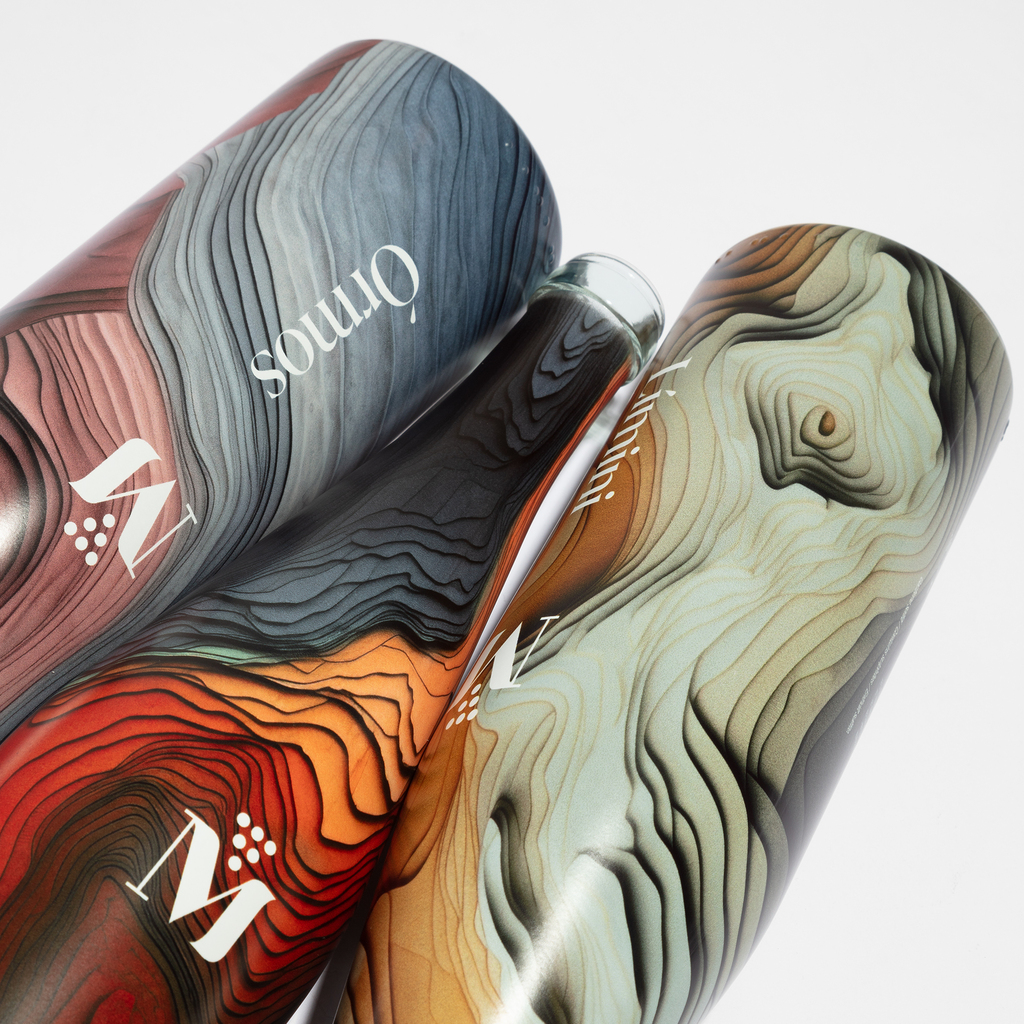
Commercially, we also challenged the traditional model by working directly with brands, eliminating multiple layers of intermediaries that often increased costs by 50–100%. Combined with rapid sampling, in-house R&D and technical design support, this completely changes the customer experience.
The biggest misconception today is that sublimation is still a niche decoration technique. In reality, it has become a true industrial process capable of competing alongside the established decoration technologies used by the world's leading premium brands.
How can decoration become part of the storytelling rather than simply an application process?
We often say that a bottle is a canvas.
When you can decorate virtually 100% of the glass surface, with no practical limitation on colour complexity or storytelling, decoration stops being something that is applied to the product and becomes the product itself. We've seen bottles transformed into tropical birds, windows onto the ocean, piece of art, Sicilian ceramics or precious gemstones. In each case, the decoration isn't illustrating the story—it is the story.
That matters because the bottle is probably the only communication medium consumers cannot skip. Advertisements disappear, social media content scrolls away, but the bottle remains on a table, behind a bar or in someone's home. It continues telling the brand's story long after every other marketing touchpoint has disappeared.
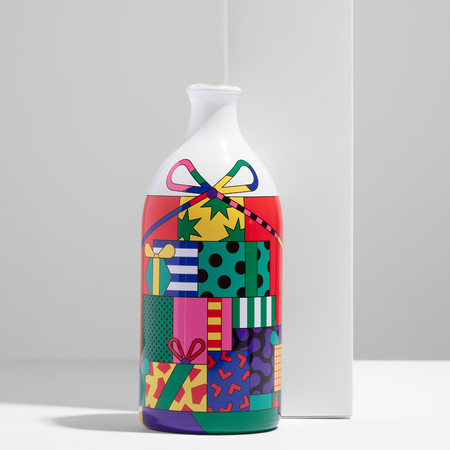
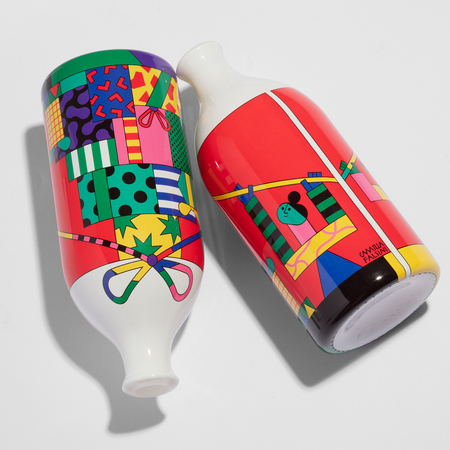
What role does innovation in decoration play in creating premium consumer experiences?
Premium brands can no longer rely solely on heritage. Younger generations don’t automatically recognize iconic brands the way previous generations did. They discover products through social media, not television, and they are exposed every day to visually extraordinary digital content. That has fundamentally changed the role of packaging.
A simple label is no longer enough to capture attention or create memorability. Brands need decoration that translates the visual impact of the digital world into a physical object.
Packaging has become the bridge between the online and offline experience. The visual impact that makes a product stand out on a screen must also come to life on the bottle itself. When consumers finally hold the product in their hands, the physical experience should be even more compelling than the digital one.
The more digital our lives become, the more we value meaningful physical experiences—a shift often referred to as "Revenge Humanity". Premium packaging is uniquely positioned to deliver exactly that: transforming a product into something consumers don't just see, but truly touch, feel and remember.
What trends do you see influencing decoration over the next five years?
Packaging should no longer be seen as an added value or a marketing feature. It has become an integral part of the product itself. Consumers now expect packaging to be beautiful, functional and sustainable at the same time.
These are no longer separate objectives or trade-offs—they are equally important elements of the product experience. Sustainability is not something brands can simply add on. It has to be designed into the primary packaging from the very beginning, without compromising aesthetics or shelf impact. After all, the first job of packaging is still to make consumers want to pick up the product.
The brands that will succeed are those that stop treating beauty and sustainability as competing priorities and start designing products where both coexist naturally.
What should packaging designers and brand owners be thinking about now?
We’re not simply witnessing a growing need for segmentation from a marketing perspective. We’re experiencing a structural shift in the market itself—one that is already underway and will accelerate over the next five years.
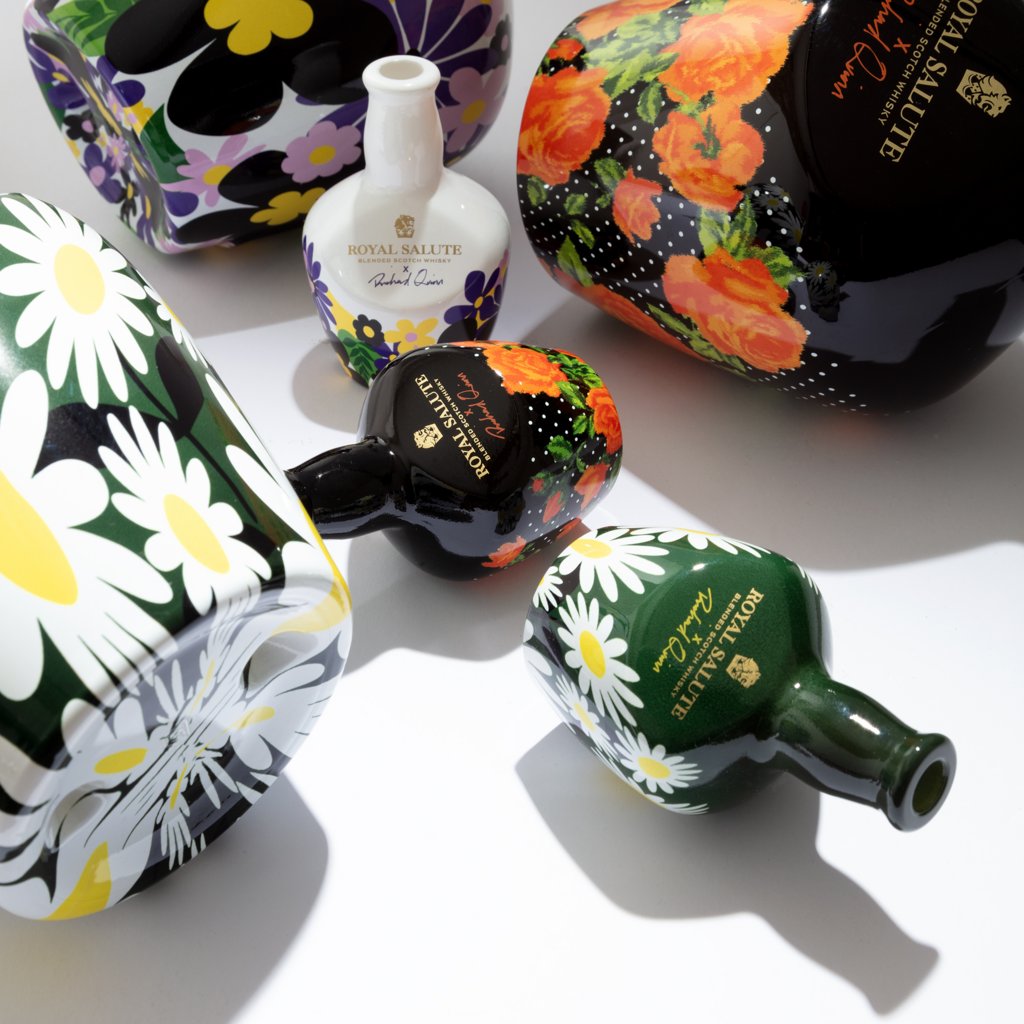
As consumer tastes and thirst for novelty become increasingly diverse across markets, demographics and cultures, brands will need to speak to different audiences in different occasions while preserving a consistent identity. Decoration will play a fundamental role in enabling this. It will no longer be just a finishing step, but a strategic tool that allows brands to create differentiated products, limited editions and market-specific collections without changing the product itself.
In the future, segmentation through decoration won’t simply be a marketing choice—it will be a business necessity driven by the evolution of consumer demand.